
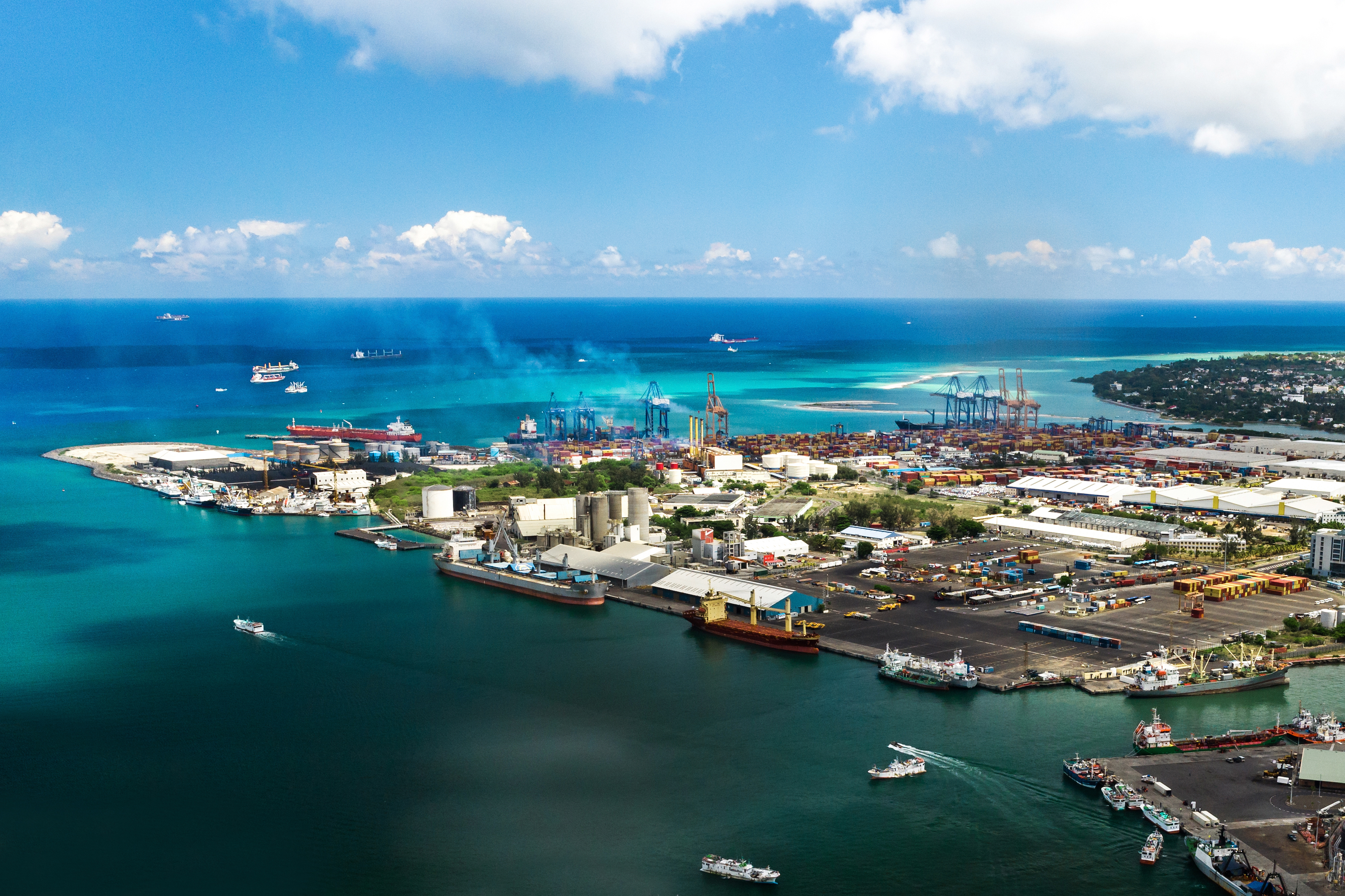
While completing his MBA at Penn State, Rodney Saunders developed a strategic market expansion plan for his family’s Bahamian retail business. The strategy focused on extending an already recognized retail brand beyond Nassau into underserved island markets using demographic targeting, low-cost market entry, localized marketing, and operational scalability. The project combined commercial strategy, field execution, and financial thinking to support long-term growth beyond the company’s existing footprint.
The business faced increasing competitive pressure in Nassau as a lower-priced competitor began opening stores near existing locations. At the same time, the company had already developed strong brand recognition across the Bahamas through customer travel, family connections, and shopping traffic originating in Nassau, but had limited direct presence in the Family Islands. Leadership needed a growth strategy that would expand revenue opportunities while reducing dependence on increasingly competitive local markets.
The proposed strategy focused on expanding into underserved island markets before competitors established presence. Rodney developed a market expansion approach centered around demographic analysis, low-cost retail locations, inventory reallocation, and localized brand positioning. Existing inventory and operational infrastructure in Nassau could support expansion efficiently while allowing each store location to operate as its own profit center. The strategy also emphasized accessibility, customer convenience, and reinforcing the company’s identity as a Bahamian-owned retail brand.
Following presentation of the strategy, the business moved forward with expansion efforts across multiple island markets including Exuma, Abaco, Long Island, Freeport, Eight Mile Rock, and others. Field execution included market evaluation, site analysis, operational planning, and localized advertising support. Earlier operating records reflected expansion to 8 locations, generating more than $800K in incremental revenue growth with approximately $200K in associated operating cost. The project also reinforced the importance of store-level financial visibility, accurate cost allocation, and operational reporting integrity when evaluating long-term business performance and expansion decisions.